Shipping to Australia: Costs, Routes & Customs 2025
18 December 2025
Reading time: 3 minutes
Why shipping to Australia requires special planning
Australia is an attractive destination for vehicle, machinery and project cargo – and at the same time one of the strictest countries when it comes to biosecurity and vehicle imports. In addition to choosing the right route and a reliable carrier, three points are particularly critical:
Import licence/regulations for vehicles (VIA/ROVER, RVS regime)
Biosecurity cleanliness: absolutely clean – inside and out
Customs clearance/ABF including correct declaration, inspections and any necessary follow-up procedures
Those who structure their process consistently reduce demurrage charges, re-runs and queries – and get the shipment to Australia safely across the finish line.
Routes & Ports: Which gateways will matter in 2025
The most common sea connections from Europe are via the Atlantic – Indian Ocean (Cape/Asia bypass) or via the Mediterranean – Suez – Indian Ocean to the major Australian gateways. Depending on the type of cargo and service, carriers combine main hubs and feeders:
East Coast: Sydney (Port Botany), Melbourne, Brisbane, Port Kembla/Wollongong
South Coast: Adelaide
West Coast: Fremantle (Perth)
Raw material/project runs: e.g. Port Hedland, Newcastle depending on service
Container: stowable, protected against moisture/corrosion
Gate-In & Loading
Condition report, slackening, complying with document deadlines
Tracking & Arrival
Tracking by B/L or VIN, organise exemption at the terminal
Customs, biosecurity & vehicle import: What Australia requires
ABF – Customs & Vehicle Imports
Vehicles may only be imported with VIA. Inspections prior to release are possible. For specifications, see: https://www.abf.gov.au
DAFF – Biosecurity
Vehicles and machinery must be clean – no soil, seeds or insects. Cleaning prior to shipment and photographic documentation are recommended. See: https://www.agriculture.gov.au
Department of Infrastructure – VIA/ROVER
VIA is mandatory for many vehicles. Application via the ROVER portal. No import without VIA. Further information: https://www.infrastructure.gov.au
Time slots & cut-offs: What you can realistically expect
FAQ: Frequently asked questions about shipping to Australia
How long does the shipment take? Several weeks, depending on the route. Use live timetables.
What documents are required? VIA, invoice, packing list, B/L, export documents, cleaning certificate.
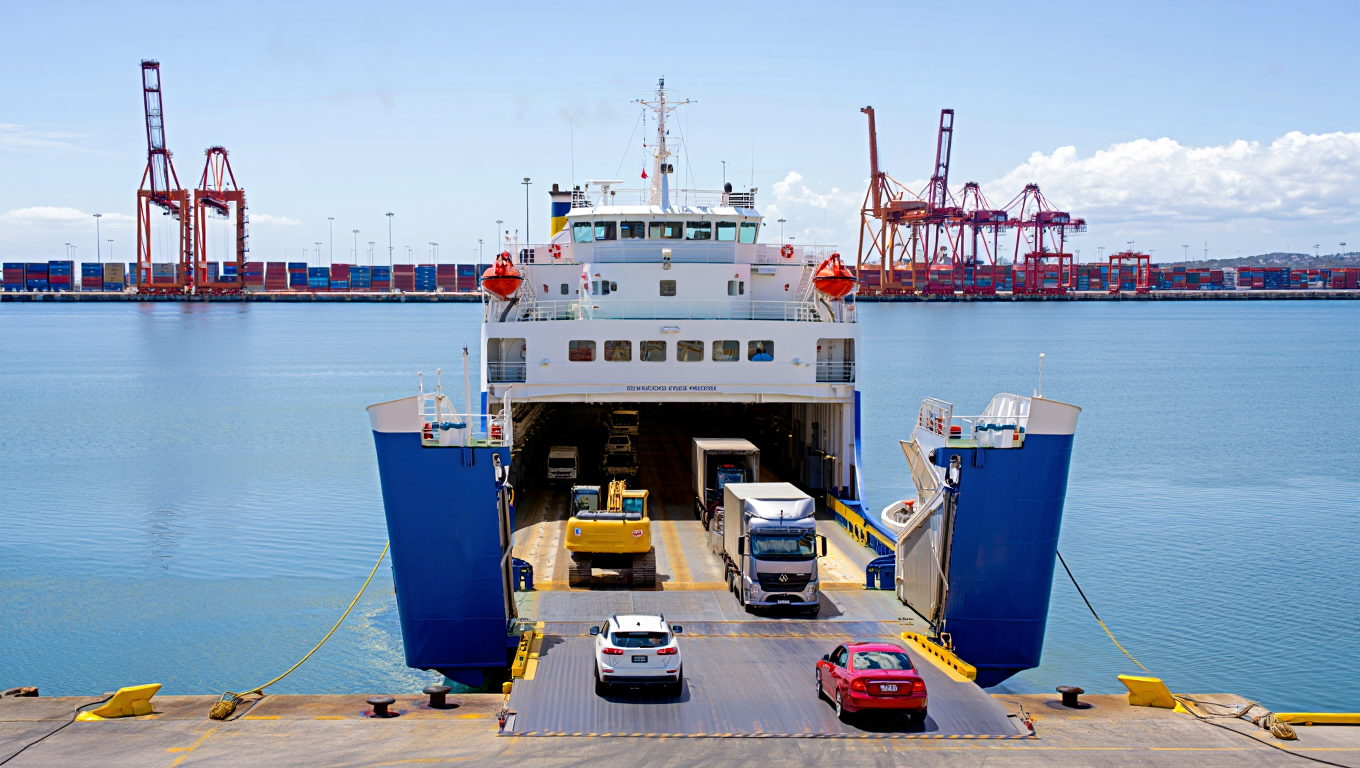
RoRo or container - which is better? RoRo for roadworthy vehicles, containers for sensitive/disassembled cargo.
How much does shipping cost? Depends on dimensions, season, route and services – individual quote required.
How strict is biosecurity? Very strict – complete cleaning is mandatory.
Conclusion: Achieving your goal with structure
You can minimise risks by initiating VIA/ROVER early, using live timetables, adhering to cut-offs and preparing the shipment carefully. An individual quote based on real data will help you find the right mode of transport and reliable costs.
Disclaimer: All information in this article has been carefully researched but is subject to change at any time. ODS Orient accepts no liability for the topicality, accuracy and completeness of the information provided.
Do you have any questions or would you like to make use of our RoRo service?
The RoRo cbm calculation determines the volume of a vehicle based on length, width and height in metres. This volume is the central basis for planning capacity and invoicing in RoRo transport. Errors in the calculation often lead to delays or additional costs. Those who measure correctly and take all attachments into account can plan transports efficiently and minimise risks [...].
The transport of extra-wide or extra-high vehicles using the RoRo method requires precise planning, exact measurements and early coordination with shipping companies. Correct classification as OOG, suitable loading units such as MAFI or LoLo options and complete documentation are crucial. If you avoid typical errors and specify all dimensions correctly, you can also realise complex transports safely and efficiently. Short answer in 5 [...]