Why Peru is particularly exciting in 2025
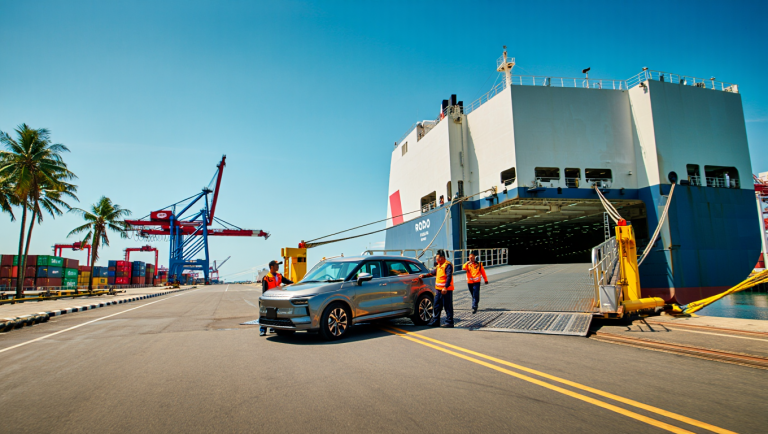
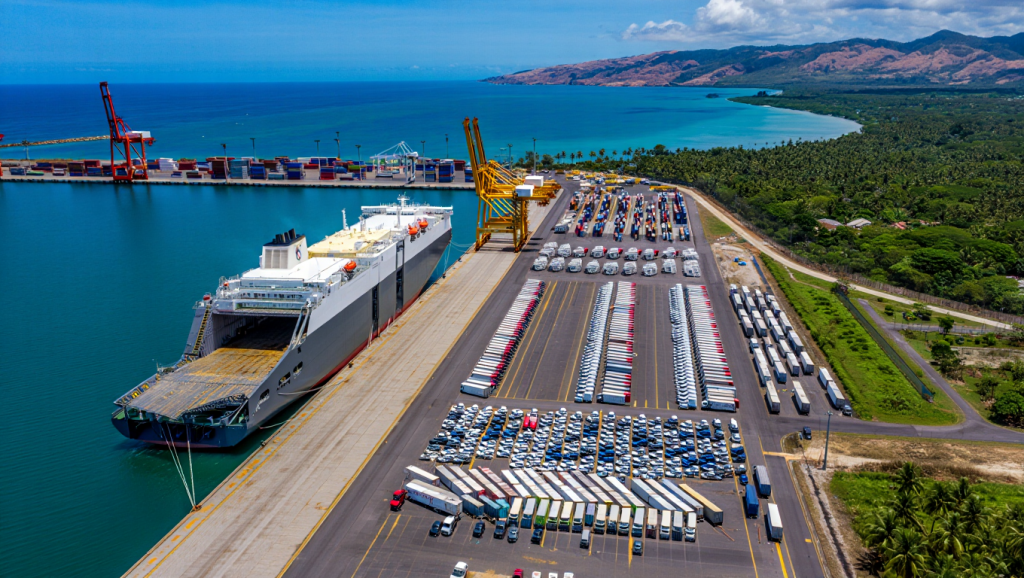
Peru is a central logistics hub on the Pacific coast of South America. The port of Callao in particular offers ideal conditions for shipping vehicles, machinery and rollable project cargo. Thanks to RoRo (roll-on/roll-off), predictable processes, short port times and low packaging costs are possible.
In 2025, stricter requirements will also apply to emissions, fuels and vehicle registration. Those who set up their booking process properly will save time and avoid unnecessary additional costs.
Key message:
Successful shipping to Peru requires complete data, realistic schedules, properly prepared vehicles and clear customs coordination.
Routes & transit times: How to plan realistically
Typical RoRo routes start in Northern Europe (e.g. Hamburg, Bremerhaven, Zeebrugge) and travel via the Atlantic, Panama Canal and Pacific to Callao. Depending on the service, Paita or Matarani may also be possible destination ports.
Influencing factors: Season, weather, canal passages and slot availability.
Useful tools:
Timetables → https://odsorient.com/fahrplaene
Transit times Europe → South America: RoRo transit times 2025
Tip: If you are flexible regarding the destination port or departure date (±1 week), you increase your chances of getting a suitable slot.
Comparison of transport modes: RoRo vs. containers
| Criterion | RoRo | Container |
|---|---|---|
| packaging | None/low (roadworthy) | Required (packaging, stowage) |
| Harbour handling | Quick (gate-in, lashing) | More steps (CY, Devanning) |
| Cost structure | Dimensions/weight-based | Equipment/rate-based |
| suitability | Vehicles, trailers, machinery | General cargo, fragile goods |
| Risk/Handling | Fewer envelopes | More envelopes/man-days possible |
Read more: What do I need to bear in mind for a RoRo shipment?
The digital booking process – step by step
- Enquiry & Routing
Port of departure/destination, ETD/ETA time frame, vehicle details, desired services. - Offer & slot reservation
Individual quote after data verification. Includes booking number, cut-offs, terminal details. - document management
Proof of export (e.g. MRN), ownership documents, power of attorney (if necessary). - Vehicle preparation
Cleaning, tank < ¼, no personal belongings, enclose keys. - Gate-In & Loading
Condition report, lashing in accordance with safety regulations. - Tracking & Arrival
Track shipment via VIN/booking number, arrange exemption.
Required information for booking
Alt-Text: Mandatory and additional information for a quick RoRo booking to Peru.
| type of programme | Mandatory information | Optional |
|---|---|---|
| Car/Van | VIN, dimensions, weight, drive type | Photographs, ground clearance |
| lorry | Serial number, dimensions, weight | Photos, type of construction |
| Construction machine | Type, dimensions, weight | Focus, Manual |
| Trailer | Dimensions including drawbar, axles | Photographs, cargo details |
Customs & Importation to Peru 2025
Responsible: SUNAT – Peruvian customs authority
Website: https://www.sunat.gob.pe/orientacionaduanera/importacionvehiculos/index.html
Important in 2025:
- Vehicle age: Restrictions on used vehicles.
- Diesel restrictions: Certain categories excluded.
- Emission standards: Stricter exhaust and fuel limits (10 ppm, comparable to Euro 6b/Tier 3).
- Preferential tariffs: Possible for goods originating in the EU (check Access2Markets).
Tip: Have your vehicle registration certificate checked in advance to avoid problems with diesel/emission limits later on.
Callao & Co.: The most important ports
- Callao: Main destination, modern terminal (DP World Callao).
- Paita & Matarani: Optional depending on the service.
- Official information: Ministry of Transport (MTC), Port Authority (APN).
Time slots & cut-offs
| Step | time frame | Notes |
|---|---|---|
| document cut-off | 2–5 days before ETD | Varies depending on the shipping company |
| Gate-In | 2–3 days before ETD | Terminal slot required |
| B/L creation | After departure | Correction window possible |
| Avis destination port | Before ETA | Use for customs clearance |
| exemption | ETA + X days | Avoid storage costs |
Common stumbling blocks
- Inaccurate measurements – measure including attachments.
- Tank too full, battery empty – < ¼ tank, charge battery.
- Customs regulations underestimated – check SUNAT requirements.
- Timetable not up to date – use live timetables.
- Flat rates sought – No reliable information without data.
Checklist: Your quick start guide to Peru
Before booking:
- Have your vehicle registration document, dimensions and VIN ready.
- Set destination port
- Check live timetables: Schedules
- Check SUNAT requirements
During the booking process:
- Confirm personal offer
- Note cut-offs
- Clarify insurance
Before Gate-In:
- Clean the vehicle, leave the keys inside
- take photographs
During the journey:
- Track tracking
- Prepare import documents
Upon arrival:
- customs clearance
- Coordinate collection
FAQ
How long does shipping to Peru by RoRo take?
Depending on the route and service, several weeks – take seasonal effects and canal passages into account.
What documents do I need to import goods into Peru?
Vehicle documents, proof of ownership, commercial invoice (if applicable), proof of export, power of attorney.
Can I leave personal belongings in the car?
No – vehicles must be handed over without any items visible inside.
What emission/diesel regulations apply?
Strict requirements for used diesel vehicles. Check SUNAT guidelines.
How much does shipping cost?
Depends on the project – reliable figures are only available upon request.
How do I find the right descent?
With live timetables and flexible time slots: Timetables – ODS Orient
Conclusion: Reach your goal faster with structure
Structured shipping saves time, reduces cost risks and avoids stress with customs. Complete data, thorough preparation and realistic planning make all the difference.
Further resources:
- Timetables → https://odsorient.com/fahrplaene
- RoRo preparation → https://odsorient.com/was-muss-ich-bei-einer-roro-verschiffung-beachten
- SUNAT – Customs information Peru → https://www.sunat.gob.pe/orientacionaduanera/importacionvehiculos/index.html
Disclaimer: All information in this article has been carefully researched but is subject to change at any time. ODS Orient accepts no liability for the topicality, accuracy and completeness of the information provided.