You are planning a Shipping New Zealand for vehicles, machines or general cargo? Then you need a clear overview: Which routes make sense, how do you realistically calculate, and what does New Zealand require in terms of customs & biosecurity?
This guide brings together everything relevant - from routing and transit times to documents, import taxes, MPI biosecurity and NZTA authorisation rules. We also provide links to official bodies and practical resources from ODS Orient.
Why New Zealand - and what that means for planning
New Zealand is geographically far away, but very well connected via container and RoRo networks.
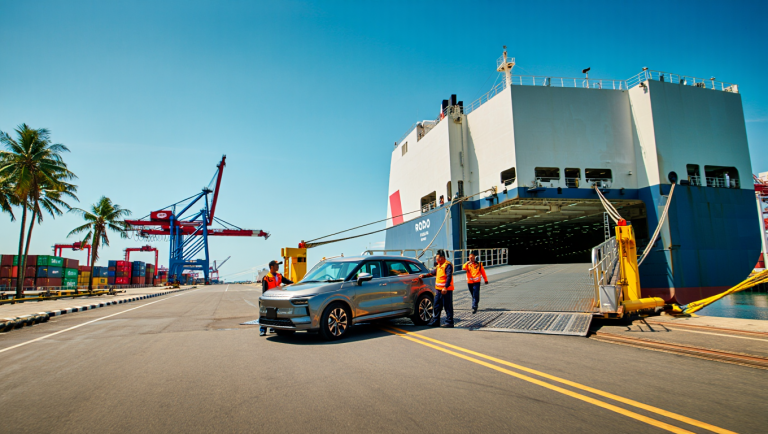
- RoRo (roll-on/roll-off): ideal for vehicles and rollable machines
- Container (FCL/LCL)suitable for palletised goods and spare parts
Transshipments are frequent - early planning with Live data from the timetables is essential.
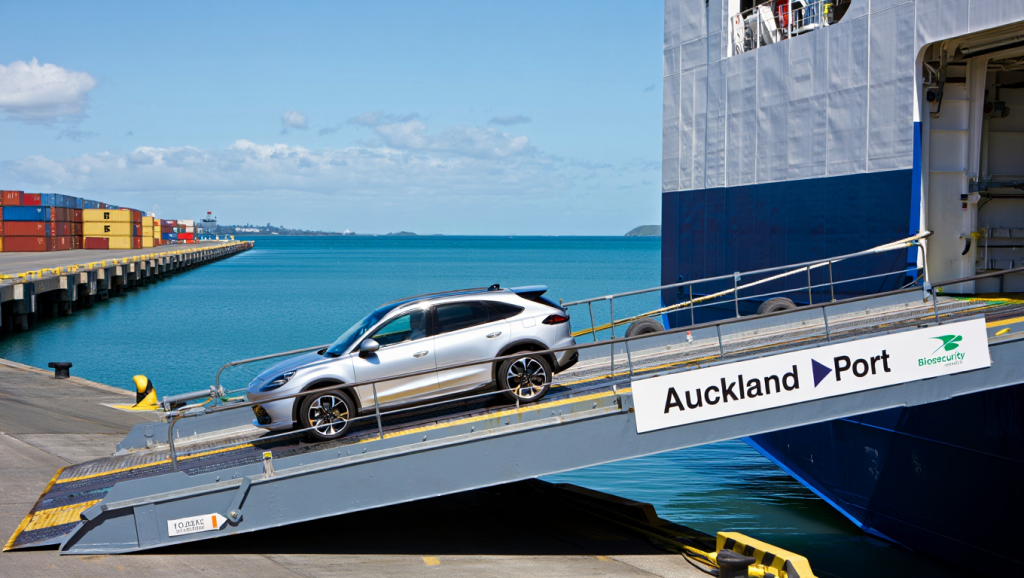
Note biosecurity: The New Zealand Ministry for Primary Industries (MPI) requires that vehicles and machines Free from soil, plant residues and pests are. Violations can lead to cleaning, delay or rejection.
Cost factors: What sea freight really depends on
A customised offer is necessary as prices fluctuate. Typical influencing factors:
- Relation & shipping companyDirect services vs. transshipment, frequency, season
- Transport methodRoRo vs. container (20′/40′/HC)
- Dimensions & weightOversize (OOG), special handling
- Harbour duesGate, Handling, Slot
- Packaging & securingISPM-15 wood, lashing material
- InsuranceAll-Risk recommended
- Target-side leviesGST, customs duty if applicable, MPI fees
Note: Flat rates are dubious - use real consignment data.
RoRo or container? Practical comparison
| Criterion | RoRo | Container (FCL/LCL) |
|---|---|---|
| Ideal for | Vehicles, machines | Parts, palletised goods |
| Handling | Vehicle rolls on board | Craning, palletising |
| Plannability | Fewer harbours/frequency | Dense global network |
| Protection | Lashing/covers | Protected in a container |
| Cost logic | Vehicle-specific, OOG if necessary | Freight + surcharges + terminal costs |
More basicsChecklist for RoRo shipping
Routes & transit times 2025: Europe/USA/Asia → New Zealand
| Start region | Ports of departure | Destination ports NZ | Notes |
|---|---|---|---|
| Northern Europe | Bremerhaven, Zeebrugge | Auckland, Tauranga | Frequent transshipment |
| Mediterranean Sea | Barcelona, Livorno | Napier, Auckland | Seasonal frequency differences |
| East Coast USA | Baltimore, NY | Auckland | widely used for vehicles |
| Asia | Busan, HK, Kaohsiung | Auckland, Tauranga | Highest frequency |
Use Live timetables for daily ETD/ETA.
Customs & taxes: What New Zealand charges
- GST (Goods and Services Tax): 15 % on imports (assessment basis: value of goods + freight + insurance + customs duty if applicable)
- Customs duties: HS code-dependent. Cars & motorbikes mostly duty-free; motorhomes subject to duty
- Further levies: z. e.g. entry or biosecurity levels
Source: New Zealand Customs + Tariff Finder
Biosecurity & BMSB: Cleanliness is a must
- MPI demands: no soil, no pests
- Inspection on arrival: Proof of cleaning or treatment
- BMSB season (Brown Marmorated Stink Bug): Seasonal measures (treatment or MPI systems)
Source: MPI biosecurity rules + BMSB page
NZTA/Entry Certification: Registration of vehicles
- Safety/emission standards
- Proof of ownership, repair certificates if applicable
- WoF/CoF (Warrant/Certificate of Fitness)
Responsible: Waka Kotahi / NZTA
Documents & data: Checklist
| Range | Mandatory/Recommended | Notes |
|---|---|---|
| Commercial invoice | Compulsory | VIN, brand, values, origin |
| Packing list | Compulsory | Quantity, weight, serial number |
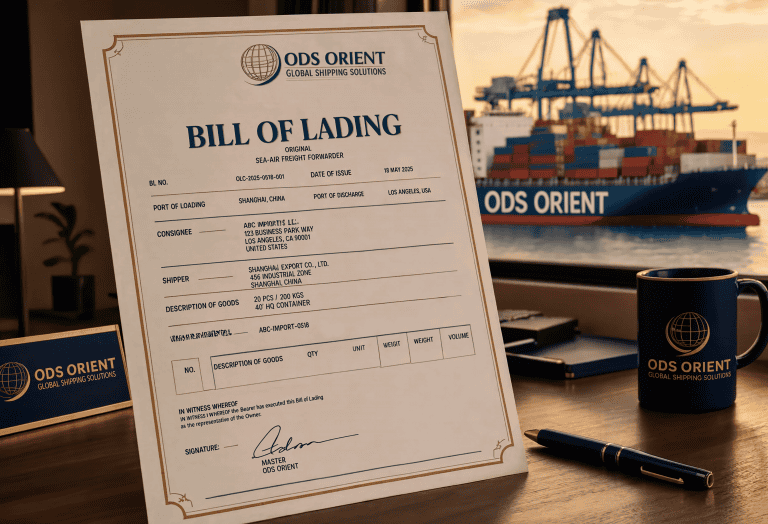
| B/L (sea waybill) | Compulsory | Identical to Invoice/Packing list |
| Customs declaration (NZ) | Compulsory | via Customs/Broker |
| MPI-Biosecurity | Compulsory | Proof of cleaning, BMSB status |
| NZTA data | Mandatory (vehicles) | Entry certification documents |
| Insurance | recommended | All-Risk + protocols |
Step by step to smooth shipping
- Routing & Slots set (live timetables)
- Customised offer request (exact data!)
- Data & Documents prepare (consistent!)
- Organise biosecurity (clean inside/outside, check BMSB)
- Packaging & securing (Container: ISPM-15, RoRo: Lashing)
- Clocking export/import processes (Customs, GST, MPI)
- Arrival & on-carriage plan (customs release, NZTA)
Common mistakes & how to avoid them
- Earth on the vehicle → Prepare cleaning protocol
- BMSB ignored → Clarify season/treatment status in advance
- Document discrepancies → Same data in all papers
- Too little time buffer → Plan transshipments and weather
- Unclear vehicle compliance → Check NZTA specifications in advance
Mini checklist (before the cut-off)
- Departure options checked (timetable)
- Offer requested (individual price)
- Invoice, packing list, B/L consistent
- Vehicle/machine cleaned (MPI-compliant)
- Packaging & securing planned (ISPM-15, lashing)
- Duty/taxes calculated (15 % GST, duty if applicable)
- NZTA data ready (Entry Certification)
- Insurance & photos available
- Contact person for follow-up defined
Conclusion
A successful Shipping New Zealand succeeds with planning, compliance and the right tools:
- Routing & Slots Save via live timetables
- Biosecurity & BMSB observe (MPI specifications)
- Customs clearance & GST schedule
- NZTA authorisation Prepare early
Whether RoRo or container: the method must suit the freight and your schedule. Start with the Timetable check and claim your customised offer to.
Official sources (selection)
- New Zealand Customs: Duty & GST
- Customs Tariff Rates: Tariff Finder
- MPI Biosecurity: Import requirements
- MPI BMSB-Infos: BMSB Overview
- NZTA Entry-Certification: nzta.govt.nz
Disclaimer: All information without guarantee. You can obtain legally binding information from the official authorities.