Introduction
Shipping to Central America is interesting for travellers, companies and exporters alike - whether for motorhomes, cars, trucks or machinery. This article provides you with a comprehensive overview of routes, types of transport, customs formalities and planning tips. Prices are deliberately omitted as they depend on individual factors. Instead, we recommend a personalised quote from ODS Orient.
Types of transport for shipping Central America
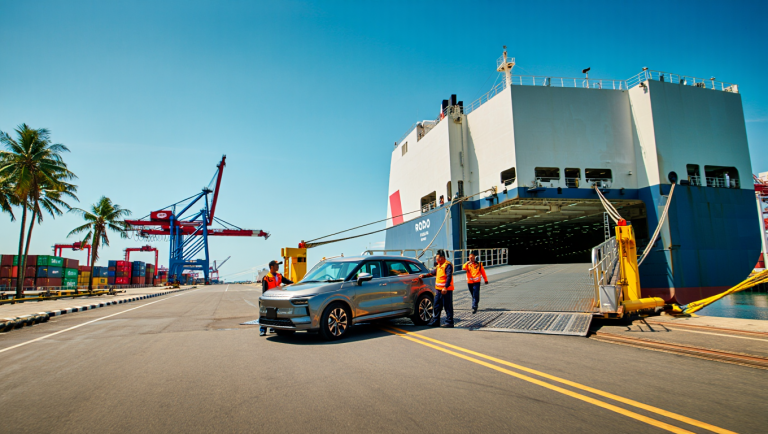
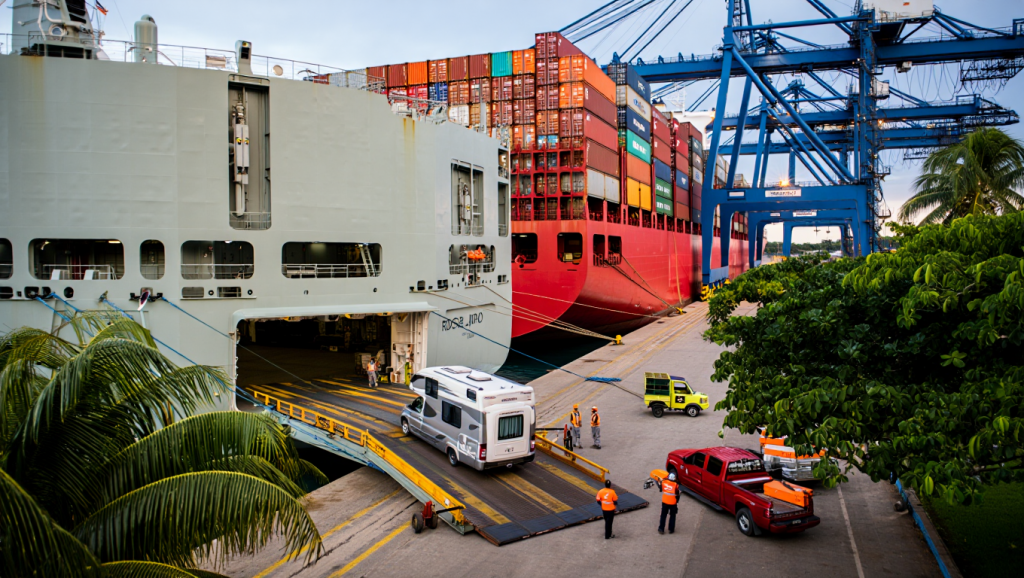
Roll-on/Roll-off (RoRo)
Ideal for vehicles that are ready to drive and can be loaded independently.
Advantages:
- Fast loading and unloading
- Cost-efficient compared to containers
- Less handling risk
Container shipping
Perfect for sensitive or high-value cargo and vehicles with additional loads.
Advantages:
- Protected transport
- Option to load additional luggage
- Flexible sizes (20- or 40-foot containers)
👉 More info: Difference between RoRo and container transport
Typical routes to Central America
Frequent connections:
- Europe → Mexico / Panama / Costa Rica
- Within Central America (e.g. Mexico ↔ Panama)
- South America → Central America (e.g. Colombia ↔ Panama)
👉 Current timetables: Timetables & routes
Cost structure
The costs are made up of
- Type of transport (RoRo or container)
- Start and destination harbour
- Vehicle size or freight volume
- Harbour and customs fees
- Insurance and additional services
👉 For a precise calculation: Request a quote
Customs & Formalities
Different regulations apply in Central America depending on the country. Typical are
- Proof of ownership / vehicle documents
- Passport or commercial documents
- Gas or environmental certificates, if applicable
- Insurance documents
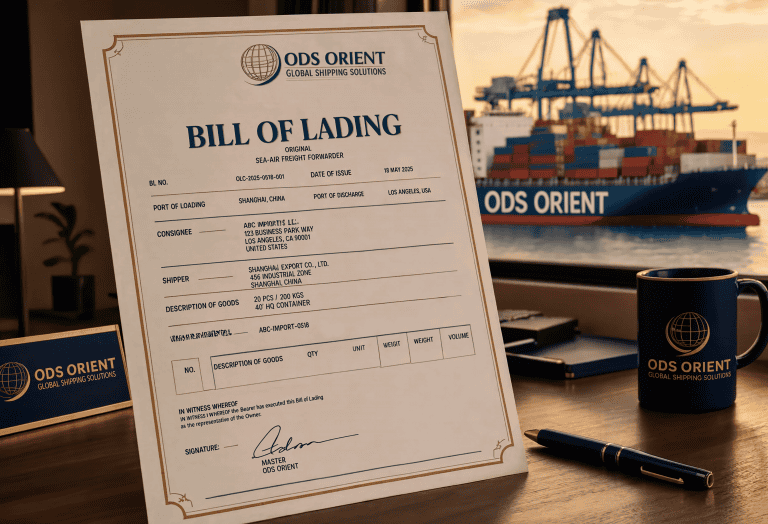
- Customs clearance documents
👉 Details: Customs clearance for RoRo shipments
Planning tips - Checklist
| Step | Description of the |
|---|---|
| 1. enquire early | Secure capacities |
| 2. select mode of transport | RoRo or container |
| 3. prepare the vehicle | Cleaning, technical check, remove personal items |
| 4. check documents | Ensure completeness |
| 5. take out insurance | Protection against transport damage |
👉 Detailed preparation: checklist for RoRo shipping
FAQ
What does shipping to Central America cost?
Varies depending on route, mode of transport and service. Personalised offer required.
Which routes are common?
Europe → Mexico or Panama as well as intracontinental routes.
Which is better: RoRo or container?
RoRo may be cheaper and faster, containers offer better protection.
What documents do I need?
Vehicle documents, certificates if applicable, proof of insurance and customs documents.
Conclusion
Shipping to Central America offers a wide range of options for vehicles and freight. With the right planning, the right mode of transport and complete documentation, a smooth process is possible. ODS Orient supports you from planning to arrival.
Disclaimer: All information in this article has been carefully researched but is subject to change at any time. ODS Orient accepts no liability for the topicality, accuracy and completeness of the information provided.