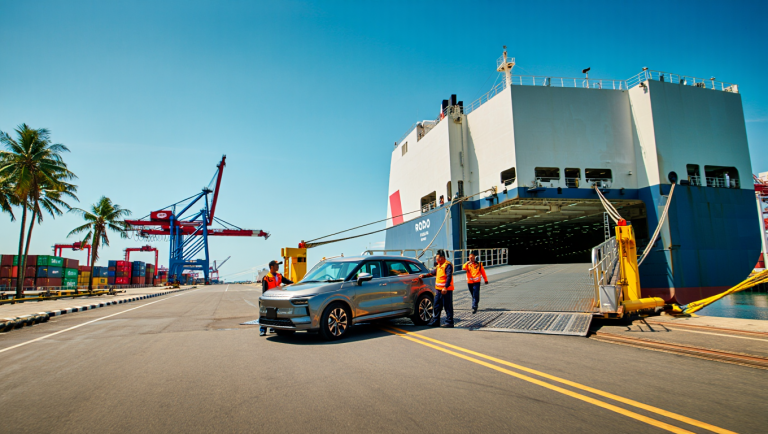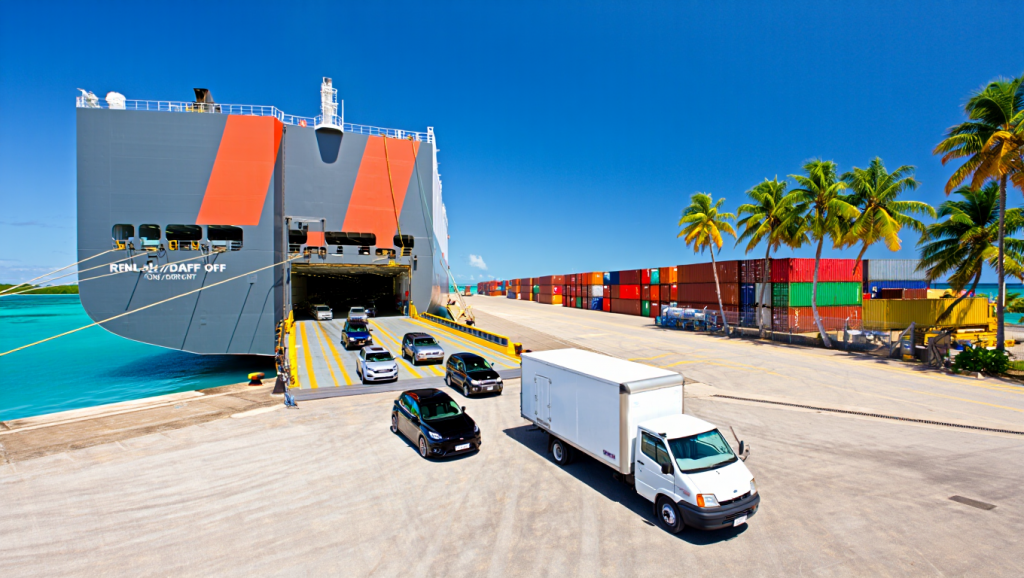
The Shipping to the Caribbean offers exciting opportunities for vehicle imports, heavy goods transport and project logistics. But to ensure that everything runs smoothly, you need a good overview of transport routes, cost factors and customs formalities. In this article, you will find out what is relevant in 2025 - from important ports and customs regulations to practical checklists.
Introduction
Shipping to the Caribbean includes various island states such as Jamaica, the Bahamas and Trinidad & Tobago. Each port has its own requirements: certain vehicle models, import regulations and fees can differ significantly. With careful planning and knowledge of the details, you can avoid delays and additional costs.
1. harbours & routes at a glance
1.1 Important Caribbean ports
- Kingston (Jamaica) - Central transhipment centre for South America and North America
- Nassau (Bahamas) - Large container terminal close to the US market
- Port of Spain (Trinidad & Tobago) - Gateway to South America
- Santo Domingo (Dominican Republic) - Well connected to Europe
1.2 Transport routes
- Europe ↔ Caribbean: via Rotterdam, Hamburg, Antwerp - transit 20-35 days
- USA East Coast ↔ Caribbean: Direct connections with around 7-14 days in transit
- South America ↔ Caribbean: Container connections via Santos, Cartagena with a transit time of 10-20 days
💡 Note: For exact transit times and capacities, we recommend an individual offer depending on the route and port of destination.
2. types of transport: RoRo vs. container
RoRo (roll-on/roll-off)
- Ideal for vehicles ready to drive, motorhomes or large machines
- Simpler loading and unloading process - directly via ramps
- Less handling, therefore often more cost-effective
➡ More about the procedure: What do I need to bear in mind for a RoRo shipment?
Container transport
- Suitable for vehicles that are not ready to drive or combined shipments
- Offers better theft and weather protection
- Flexible in size (20′, 40′, High Cube)
➡ Further insights: RoRo shipping for construction machinery - The comprehensive guide
3. cost factors for shipping
| Cost factor | Influence on the price |
|---|---|
| Type of transport | RoRo often cheaper |
| Route & harbours | Save direct connections |
| Vehicle size & weight | The bigger, the more expensive |
| Season & demand | Peak travel times more cost-intensive |
| Additional services | Insurance, port handling, documents |
| Customs & import formalities | Varies from country to country |
💬 An individual offer is required for binding prices - please enquire.
4. customs & import regulations
4.1 Typical requirements
- Commercial invoice: Detailed vehicle description
- Bill of Lading (B/L): Shipping bill of lading
- Vehicle licence / vehicle registration document
- Import licence and/or import permit
- Environmental forms: e.g. ozone/refrigerant verification
- ATA Carnet: For temporary imports back to the country of origin
4.2 Special features by country
- Jamaica: Age limit often 6 years, import licence required
- Bahamas: Environmental charges & technical inspection required
- Trinidad & Tobago: technical condition and proof of compliance with local regulations
Good co-operation with a local customs agent saves time and hassle.
5. procedure of a Caribbean shipment
- Get a quote - incl. route, harbours and service
- Prepare documents - digitally and completely
- Select means of transport - RoRo vs. container
- Getting the vehicle ready for loading - clean, ready to drive, "empty" at RoRo
- Loading at the port of origin - registration, weighing, protocol
- Sea transport - with online tracking (VIN/B/L)
- Unloading at the port of destination - customs clearance, inspection, collection
- Follow-up - processing of local fees and document archiving
6. checklist for exporting to the Caribbean
- ✅ Check destination port & current shipping Caribbean requirements
- ✅ Define route & transport option (RoRo/container)
- ✅ Provide all documents complete and valid
- ✅ Prepare the vehicle for driving and shipping
- ✅l Obtain import licence & environmental forms
- ✅ Note tracking information (VIN/B/L)
- ✅ Hire a local customs agent
- ✅ Pick up and transport the vehicle after arrival
FAQ
How long does it take to ship to the Caribbean?
Transit times vary: Europe → Caribbean mostly 20-35 days; USA East Coast → Caribbean approx. 7-14 days, South America → Caribbean 10-20 days, depending on departure point and route.
How much does a Caribbean shipment cost?
The costs depend on the transport method, route, vehicle size, season, customs and handling fees. Please request a personalised quote for an exact calculation.
What customs regulations apply?
Documents such as B/L, commercial invoice, vehicle documents, import licence and environmental forms are often mandatory. Some countries require a minimum age or technical standards.
Should I choose RoRo or container?
RoRo is usually cheaper and more direct for vehicles that are ready to travel. Containers offer better protection and are suitable for combined or sensitive cargo contents.
Conclusion
Shipping to the Caribbean in 2025 is easy to plan - if you know the right ports, customs rules and transport options. Clear documentation, choosing the right route and working with experienced partners are important. This will make your shipment safe, efficient and stress-free - perfectly tailored to your requirements.
Disclaimer:
All information in this article has been carefully researched but is subject to change at any time. ODS Orient accepts no liability for the topicality, accuracy and completeness of the information provided.