Introduction to RoRo transport to Africa
What is RoRo transport and why is it ideal for Africa?
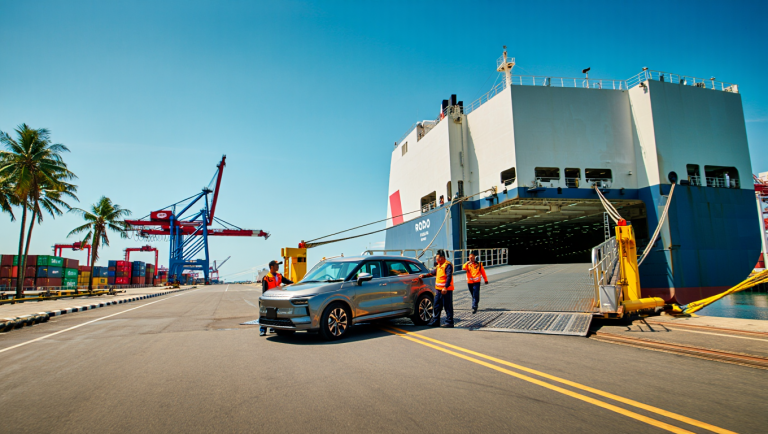
RoRo stands for "roll-on/roll-off" and describes a transport method in which vehicles and rollable cargo are driven directly onto the ship via ramps. This method is particularly suitable for the African market, as it offers a cost-effective and efficient alternative to container transport. Especially in regions where the harbour infrastructure is not always designed for complex container shipments, RoRo proves to be unbeatably flexible.
The most important African ports for RoRo shipping
Africa has a large number of ports that are ideally equipped for RoRo transport. Among the most important are the ports of Lagos (Nigeria), Mombasa (Kenya), Dakar (Senegal) and Durban (South Africa). These ports are central hubs for international trade and have the necessary infrastructure for the efficient loading and unloading of RoRo ships.
Which vehicles and goods are suitable for RoRo transport to Africa?
RoRo transport is not only suitable for cars and lorries, but also for construction machinery, agricultural equipment and even oversized special vehicles. In addition, non-roadworthy goods can be loaded onto so-called Mafi trailers, which can also be shipped by RoRo. This versatility makes RoRo the preferred choice for a wide range of industries.
The RoRo transport process to Africa
Preparation before shipping: important documents and customs regulations
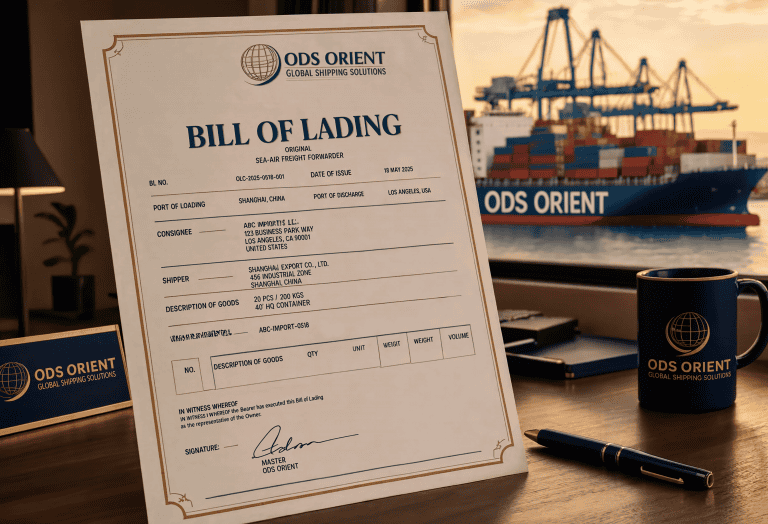
Before shipping, it is crucial to prepare all the necessary documents. This includes the consignment note, certificate of origin and any special export licences. Customs regulations vary depending on the destination country, so a thorough check of import regulations is essential to avoid delays or additional costs.
Loading in Europe: How to get vehicles safely onto the ship
In European harbours, loading takes place via specially designed ship ramps. Experienced drivers steer the vehicles precisely to the designated spaces on the ship and secure them there. This process minimises the risk of damage and ensures fast handling.
Arrival in Africa: unloading processes and onward transport
After arriving at the port of destination, the vehicles are unloaded via ramps and prepared for onward transport. Depending on the port infrastructure, the handling process can vary in speed. Close cooperation with local freight forwarders ensures a smooth process.
Special challenges for RoRo transport to Africa
Different regulations and standards in African countries
African countries often have different regulations regarding vehicle standards, emission guidelines and customs regulations. These differences require careful preparation to ensure that the vehicles meet local requirements.
Dealing with customs formalities and import regulations
Dealing with customs formalities can be complex. It is important to know the specific requirements of each destination country and have all the necessary paperwork ready. An experienced customs agent can provide valuable support here.
Logistical challenges: Infrastructure and local conditions
In some African regions, the infrastructure is limited. Poor roads, insufficient storage capacity and a lack of means of transport can make onward transport difficult. Foresighted planning and cooperation with local partners are crucial here.
Advantages of RoRo transport for the African market
Cost efficiency and time savings compared to other methods
RoRo transport can be more cost-effective than container transport, as less complex loading and unloading processes are required. In addition, direct loading saves time, which is particularly advantageous for time-critical deliveries.
Flexibility in the transport of new vehicles, used vehicles and heavy loads
RoRo offers a high degree of flexibility, as new vehicles as well as used vehicles and heavy loads can be transported. This versatility makes RoRo the ideal solution for companies that want to export different types of vehicles to Africa.
Conclusion
RoRo shipping to Africa offers an efficient, flexible and cost-effective way of transporting vehicles and machinery safely. With the right preparation and knowledge of local conditions, RoRo transport becomes a reliable solution for the African market.