Introduction to RoRo shipping
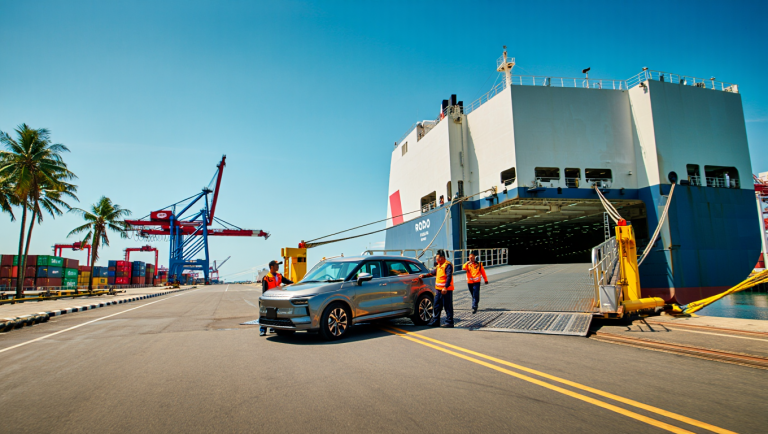
RoRo shipping, short for "roll-on/roll-off", refers to a method of sea transport in which vehicles and other rolling cargo are driven onto special ships under their own power and then driven off again at the port of destination. This concept was developed in the 1950s to make the transport of vehicles more efficient. Since then, RoRo logistics has continued to develop and is now an indispensable part of global trade.
How RoRo shipping works
The process begins at the terminal, where vehicles and machines are driven onto the RoRo ship. These ships are equipped with special ramps that enable easy loading and unloading. Inside, they have several decks and securing systems to stabilise the cargo during the crossing. In contrast to other methods such as the LoLo ("lift-on/lift-off") process, which involves the use of cranes, RoRo offers the advantage of faster and gentler loading.
Advantages of RoRo shipping in global trade
RoRo shipping is characterised by shorter handling times, as the direct driving on and off the ship speeds up the process. The risk of damage is also minimised as no additional lifting operations are required. This leads to cost savings as fewer personnel and equipment are required.
Areas of application for RoRo shipping
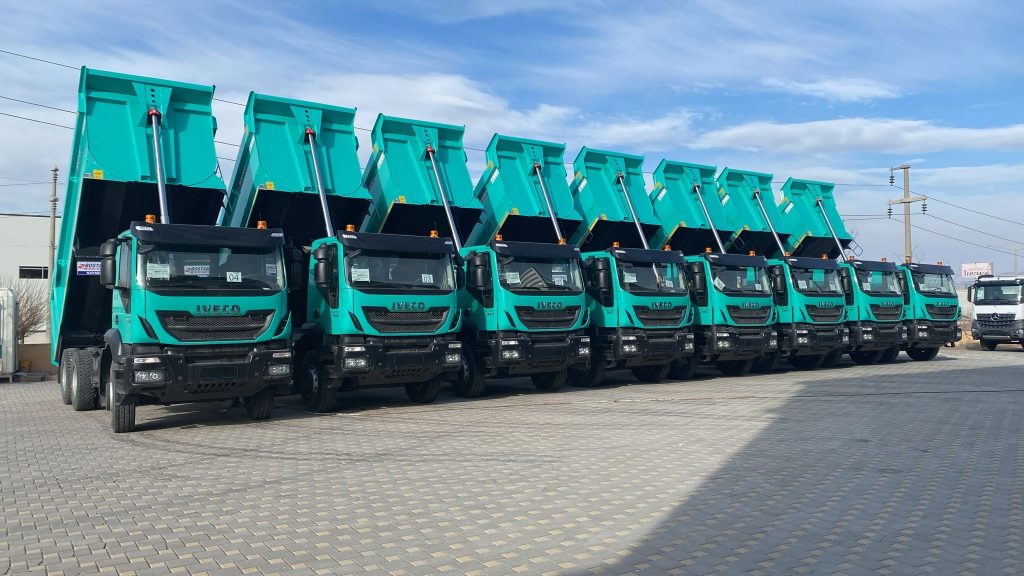
RoRo shipping is mainly used for the transport of vehicles such as cars, lorries, buses and special vehicles. It is also suitable for heavy and special transport, including construction machinery and agricultural equipment. It is also used in military logistics to move troops and material quickly.
Challenges and future prospects for RoRo shipping
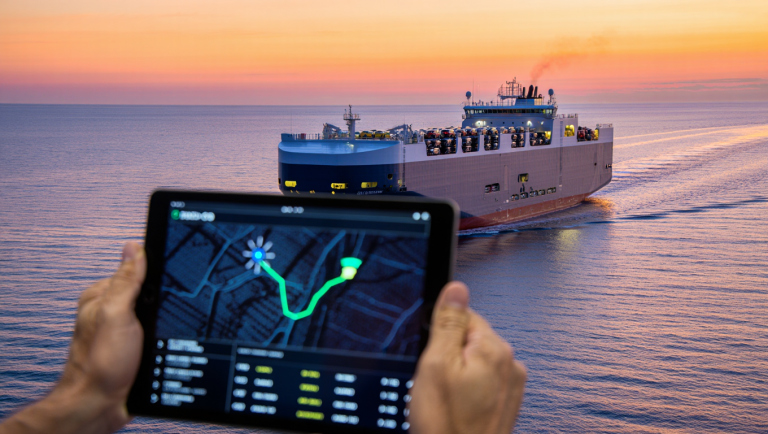
In view of increasing environmental regulations, the industry faces the challenge of reducing emissions. This requires investment in sustainable drives and technologies. In addition, safety aspects such as correct load securing and accident prevention are of great importance. However, technological innovations, particularly in the areas of automation and digitalisation, offer opportunities to further increase efficiency and make RoRo transport fit for the future.