Stay up to date: discover the latest RoRo trends now!
Introduction to the RoRo transport industry
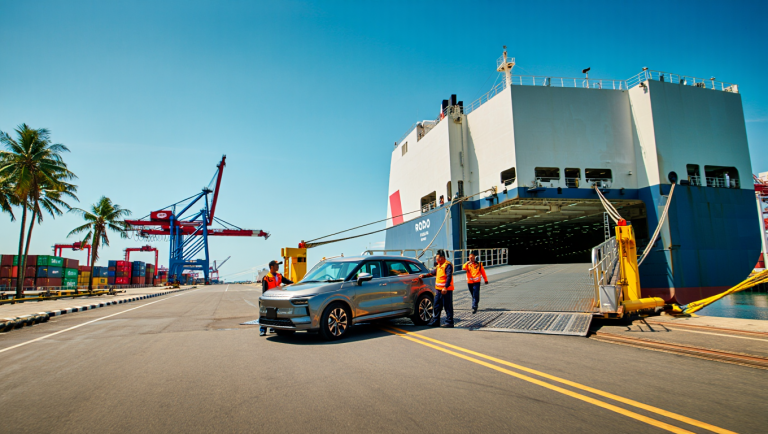
Roll-on/roll-off transport, or RoRo for short, is a method of sea transport in which vehicles and rolling cargo are driven directly onto ships and unloaded again at the port of destination. This technology enables goods to be handled efficiently and quickly without the need for additional lifting or loading equipment. Historically, RoRo transport has developed since the 1950s and is now an indispensable part of global trade, particularly for the transport of vehicles, machinery and other rolling goods.
Technological innovations and their impact
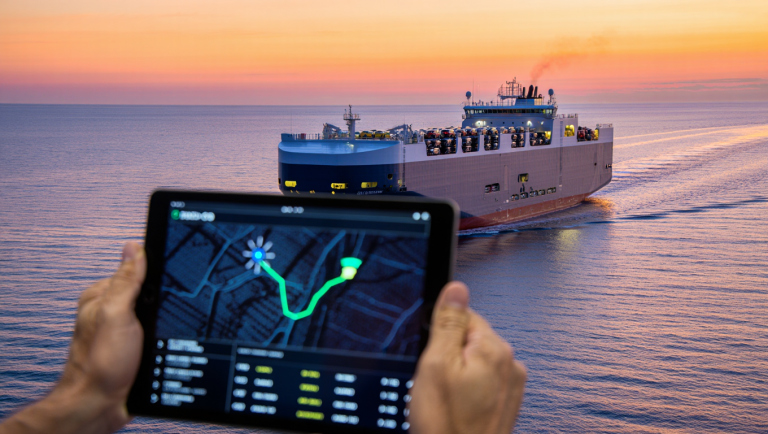
The RoRo industry is currently undergoing a profound transformation due to technological advances. Automation and digitalisation play a key role in this. Modern technologies such as autonomous vehicles and automated loading systems are increasing efficiency and reducing human error. In addition, digital platforms enable improved communication and transparency along the supply chain.
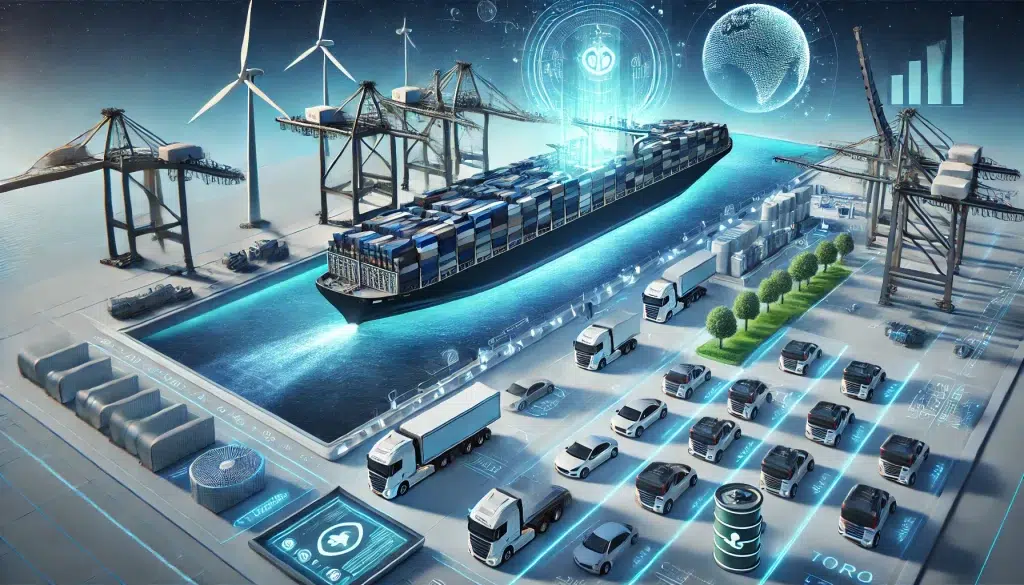
Another important trend is the use of sustainable propulsion systems. Liquefied natural gas (LNG) and other alternative fuels are becoming increasingly important as they help to reduce emissions and minimise the environmental footprint of shipping. The integration of IoT (Internet of Things) and big data into port logistics is leading to so-called "smart ports". These intelligent ports use networked sensors and data analyses to optimise the flow of goods and identify bottlenecks at an early stage.
Market dynamics and economic developments
Different regions are experiencing varying levels of growth in demand for RoRo. Asia and Africa in particular are seeing rising transport volumes, which is due to growing markets and investments in infrastructure. Global events such as trade conflicts, pandemics or geopolitical tensions have a significant impact on RoRo transport flows. Such factors can lead to delays, route changes or increased costs.
Consolidation trends can be observed within the industry. Mergers and acquisitions are leading to larger corporate structures that utilise economies of scale and strengthen their market position. However, this can also influence competition and put pressure on smaller players.
Challenges and opportunities in the RoRo sector
Adapting to international regulations is an ongoing challenge. Regulatory requirements, particularly in the environmental sector, require investment in new technologies and processes. Strategies to reduce emissions, such as the use of LNG or the development of low-emission ships, are therefore of central importance.
Customers increasingly expect flexibility and high service quality. Companies that are able to offer customised solutions and react quickly to market changes can secure a competitive advantage.
Future prospects and forecasts for the RoRo industry
Technological advances such as autonomous ships or the further digitalisation of supply chains could permanently change the RoRo industry. Such developments offer potential for efficiency gains, but also require adjustments to operating processes.
Market forecasts point to continued growth in demand for RoRo, particularly in emerging markets. Companies should therefore plan strategically to capitalise on these developments. It is advisable to invest in technology and sustainability and to strengthen partnerships in order to meet future requirements.