Exporting large machinery to South America requires careful planning and cooperation with specialised freight forwarders. Companies shipping machinery to this region need to ensure efficient shipping methods and smooth customs clearance to avoid delays. In this article, you will learn which aspects are important when exporting large machinery and how companies can transport their freight safely and cost-effectively.
Important criteria for exporting large machinery to South America
1. specialised forwarders for heavy cargo
When exporting machinery, companies need specialised freight forwarders who are experienced in transporting heavy loads. These freight forwarders are familiar with the specific challenges that arise when shipping machinery internationally, such as customs clearance and safety regulations. They ensure that the transport runs smoothly and that all international requirements are met.
2. customs clearance and documentation
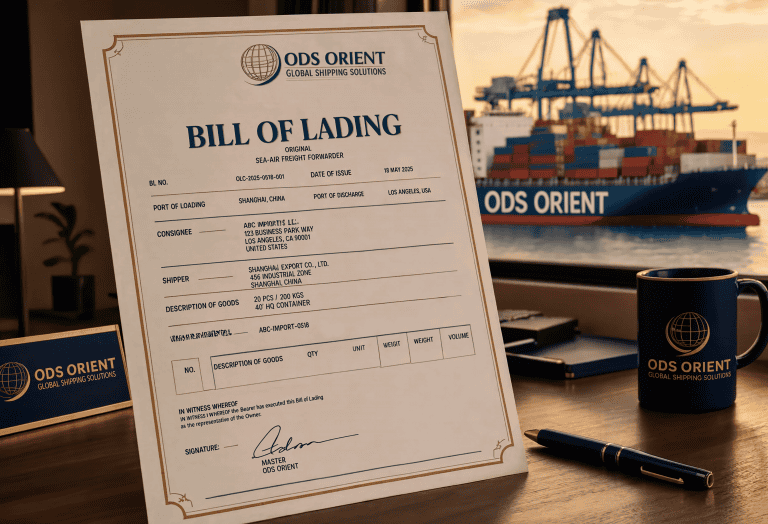
Smooth customs clearance is crucial for punctual export. It is important to provide all required documents such as commercial invoice, packing list and bill of lading to avoid delays at customs stations. Companies should ensure that all documentation is complete and correct to speed up the process.
Efficient shipping methods for large machines
There are several shipping methods that are suitable for exporting large machines. Companies should choose the right method based on the specific requirements of their cargo.
1. sea freight: FCL and LCL
Sea freight is the most common method for transporting large machines. Companies can choose between two options:
- FCL (Full Container Load)Ideal for large machines that fill an entire container.
- LCL (Less than Container Load)Suitable for smaller machines where the container is shared with other cargo.
2. ro-ro transport (roll-on/roll-off)
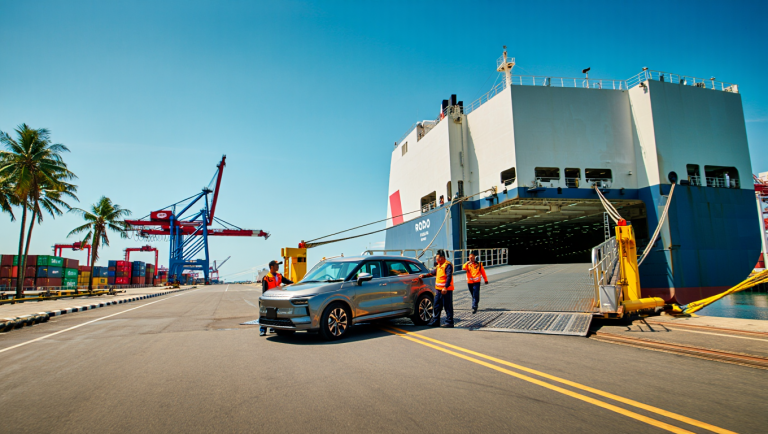
RoRo transport is particularly suitable for oversized machines that do not fit into containers. This method makes it possible to drive machines directly onto the ship, which simplifies the process and makes it cost-efficient.
3. rail freight transport and road freight
In some cases, rail freight transport can offer a faster alternative to sea freight, especially for regional shipments. For short distances or transport within a country, road freight can also be an efficient option. A combination of several transport methods is often used to ensure the most efficient process.

Cost factors for exports
The shipping costs for exporting large machinery depend on various factors, including the weight, volume and choice of transport mode. Companies should consider the following points in order to optimise costs:
- Container size: For sea freight, the size of the container (20ft or 40ft) determines the costs.
- Weight and volumeHeavier and bulkier machines cause higher shipping costs.
- Destination port charges and customs dutiesThese vary depending on the harbour and can influence the total costs.
Quality control before dispatch
Thorough quality control is essential to ensure that machines are shipped in perfect condition. Companies should engage an independent inspection service to identify and rectify any potential problems prior to despatch. Professional packaging that complies with international shipping standards is crucial to avoid damage in transit.
Frequently asked questions (FAQ)
1. which shipping methods are best suited for the export of large machines?
Sea freight, especially FCL or RoRo, is the best method for exporting large machinery to South America. Alternatively, rail freight or road freight can be considered depending on the region.
2. how are the shipping costs for the export of machines calculated?
The shipping costs are based on factors such as container size, weight, volume of the machines and destination port charges.
3. what are the most important documents for customs clearance?
The most important documents include the commercial invoice, packing list, consignment note and, if applicable, certificates of origin.
4 Why is cooperation with specialised freight forwarders important?
Specialised freight forwarders know the requirements and challenges of shipping large machines and can ensure smooth handling.