Why preparation is everything in Australia
Australia is one of the strictest countries in the world when it comes to importing vehicles. Three areas in particular determine whether your shipment will go through smoothly:
- Import licence (VIA) via the ROVER portal in accordance with the Road Vehicle Standards Act (RVSA)
- Biosecurity: absolutely clean, contamination-free vehicle
- Customs & prohibitions: correct declaration, zero tolerance for asbestos, technical compliance
This guide shows you how to reliably comply with all Australian customs regulations for cars in 2025.
Step 1: Eligibility & VIA – nothing works without an import licence
Before shipping, you must check whether your vehicle is eligible for import. You can apply for VIA (Vehicle Import Approval) online via the Australian Department of Transport's ROVER portal.
Important points:
- Basis: Road Vehicle Standards Act (RVSA)
- Procedure: ROVER account → Application → Fee → VIA with conditions
- Without VIA: No clearance by Australian Border Force (ABF)
Tip: Be sure to apply for a VIA before shipping – processing may take some time.
Further information: infrastructure.gov.au and rover.infrastructure.gov.au
Step 2: Biosecurity – absolutely clean or back to square one
Australia has extremely high standards of cleanliness. Vehicles must be free of soil, seeds, plant debris, insects, wood splinters or animal hair – including in the interior and underbody.
Practical measures:
- Deep cleaning inside/outside, including underbody, engine compartment and carpets
- No loose items in the vehicle
- Optional: Offshore cleaning by listed providers
All vehicles will be inspected upon arrival.
Source: agriculture.gov.au
Step 3: Asbestos – zero tolerance and strict verification
Australia has banned all imports of products containing asbestos since 2003. Older vehicles and conversions are particularly affected. The importer bears the burden of proof.
Recommendations:
- Identify risk components (e.g. brakes, seals, clutch)
- Obtain manufacturer certificates or laboratory reports
- Without evidence, sampling, delays or refusal may occur.
Source: abf.gov.au
Step 4: Customs clearance, taxes & country-specific regulations
The customs regulations for cars in Australia include:
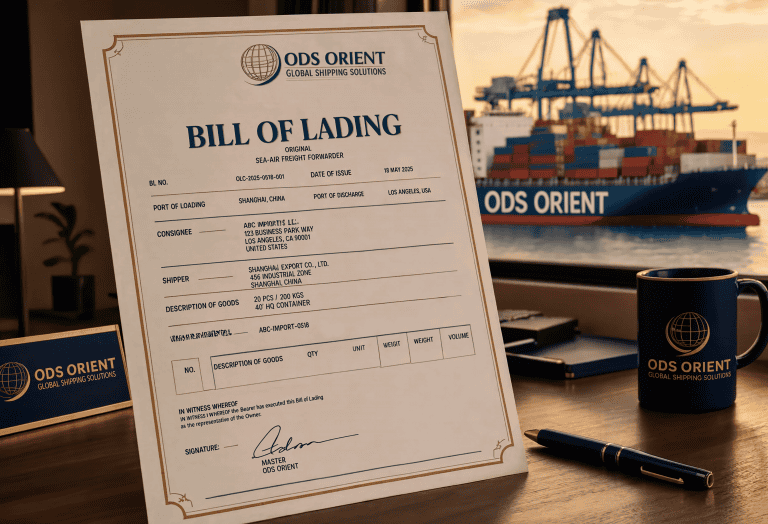
- Customs declaration including commercial invoice, packing list, bill of lading
- Taxes depend on vehicle type, age, origin
- Authorities involved:
- Department of Infrastructure (VIA/RVSA)
- ABF (customs, prohibitions)
- DAFF (Biosecurity)
Source: abf.gov.au
Step 5: Technical compliance & registration
Depending on the import route, further steps may be necessary, e.g.:
- ADR compliance
- RAV registration (Register of Approved Vehicles)
- Modifications by certified workshops
The procedures differ significantly from those in other countries.
More information: infrastructure.gov.au
Documents: What you need
Complete documentation saves time and money:
- VIA: Application, proof of ownership, vehicle details
- Customs: Invoice, packing list, bill of lading, ID
- Biosecurity: Cleaning records, photo documentation
- Asbestos: Parts list, certificates/laboratories
- Technology: Data sheet, engineer's report if applicable
More information at:
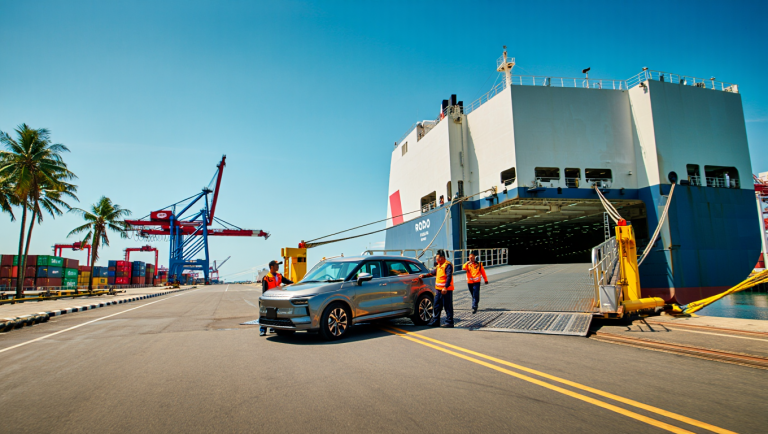
→ What do I need to bear in mind for a RoRo shipment?
Process: From enquiry to collection
- Check eligibility & apply for VIA
- Clean and prepare the vehicle
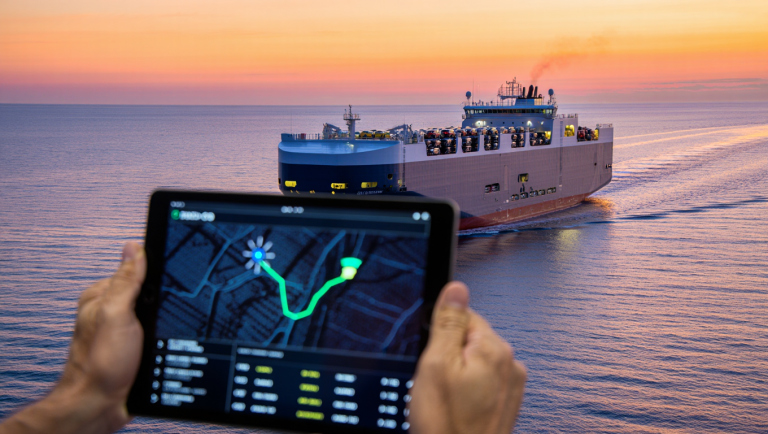
- Routing & booking via → Schedules
- Export documents and advance notification
- Arrival: biosecurity check, customs clearance, asbestos inspection
- Technical approval & registration on site
RoRo or container?
| Criterion | RoRo | Container (FCL/LCL) |
|---|---|---|
| Suitable for | Roadworthy vehicles | Additional parts, restoration items |
| Handling | Vehicle drives itself | Packaging, stowage |
| biosecurity | Very strict | Equally strict, more packaging materials |
| Cost logic | Dimensions/deck space | Sea freight, equipment |
| Risk | Fewer envelopes | More envelopes/handling points |
For details, see: → What do I need to bear in mind for a RoRo shipment?
Checklist: Your quick start
Before booking
- ✅ Check import path
- ✅ Start ROVER account & VIA application
- ✅ Record vehicle data & modifications
- ✅ Check for asbestos risk
- ✅ Plan cleaning (inside/outside/underbody)
- ✅ Coordinate route & ETD/ETA → Schedules
During the booking process
- ✅ Have complete documentation ready
- ✅ Arrange transport insurance
- ✅ Note terminal delivery
Upon arrival
- ✅ Pass biosecurity inspection
- ✅ Submit VIA, customs and asbestos certificates
- ✅ Implement ADR/RAV steps
Common mistakes - and how to avoid them
- VIA applied for too late
- Biosecurity underestimated (e.g. dirt in the interior)
- Asbestos ignored – missing certificates
- Incomplete documents (invoice/packing list)
- Incorrect transport mode selected
FAQ: customs regulations Australia car
Do I always need a VIA authorisation?
Yes. Without VIA, ABF will not grant approval.
How clean does the car need to be?
Absolutely clean – inside and out. No soil, seeds or residue.
Is asbestos really a problem?
Yes. Zero tolerance applies – proof is mandatory.
RoRo or container?
RoRo for roadworthy vehicles, containers for parts or restoration projects.
How much does importation cost?
Costs depend on the individual case. For binding figures, please request a personal quote.
How long does it take to obtain a VIA?
Varies. Submit your application as early as possible.
Conclusion: Navigating Australia's import barriers safely with structure
Australia checks thoroughly – but with proper preparation, it works. Apply for VIA early, ensure cleaning and asbestos certificates are in place, provide complete documentation and allow for a time buffer. Then nothing will stand in the way of a successful vehicle transfer.
Disclaimer: All information in this article has been carefully researched but is subject to change at any time. ODS Orient accepts no liability for the topicality, accuracy and completeness of the information provided.