Due to the current political situation, the following harbours are temporarily closed: Jebel Ali, Abu Dhabi, Sohar, Bahrain, Kuwait, Dammam and Jeddah!
IMO CO₂ regulations 2026: What will change for exporters
January 8, 2026
Reading time: 2 minutes
Why 2026 will be a turning point
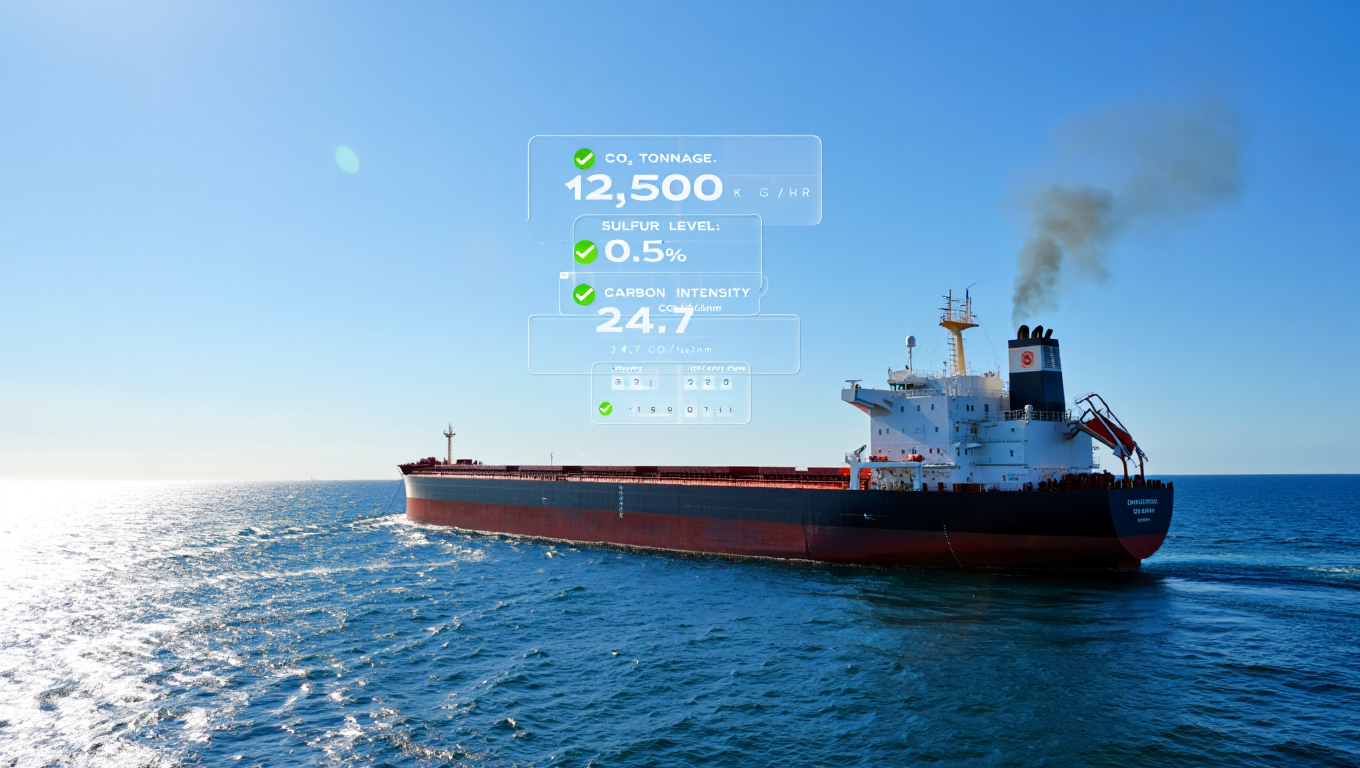
From 1 January 2026, the International Maritime Organisation (IMO) will be tightening its climate targets. The focus is on more binding efficiency paths for ships, stricter inspection obligations for shipping companies and concrete preparatory steps for global CO₂ pricing. For exporters, this means more transparency, more documentation - and potentially higher CO₂ cost components.
EEXITechnical efficiency index for existing ships.
CIIOperating efficiency with annual rating (A-E).
SEEMP Part IIIEnergy management plan with corrective measures.
NZFRoadmap for fuel standards and global CO₂ pricing.
DCSData system for recording emissions.
The phase 2 revision of these instruments will start in 2026. The CII pathway will be tightened, gaps closed and integration into national roadmaps prepared.
Timeline: IMO measures at a glance
Period
Measure
Relevance
2024–2025
Phase 1 review
Carriers optimise fleets & routes
from 2026
Phase 2 launch
Sharper CII targets & more control
2027–2030
Progressive CII targets
Annual increase in efficiency necessary
from 2028 ff.
Fuel/pricing elements
Visible CO₂ costs in offers
Impact on quotations, routes and documents
Offers & CO₂ transparency
You should specifically request CO₂ KPIs in tenders:
Method (WtT/WtW, source)
Unit (gCO₂e/tkm)
Ship reference (IMO number, CII rating)
Data quality (measured/modelled)
Routes & timetables
Carriers often plan with adjusted transit times due to CII requirements. Use A/B departures and keep a flex window open:
FAQ: IMO CO₂ regulations 2026 - the most important questions
What specifically will change from 2026 onwards? More binding CII targets, stricter rectification obligations, more emissions data in offers.
Do I have to report as an exporter? No - but you should actively demand emissions-related KPIs.
Are freight rates rising? Possible - depending on route, carrier and efficiency. Please ask for an individual offer.
What is the difference between EEXI and CII? EEXI = technical efficiency, CII = operational efficiency.
Do other regulations apply? Yes - e.g. EU-ETS and FuelEU Maritime in addition to IMO.
Conclusion: Securely through 2026 with data, Flex and partners
The 2026 IMO CO₂ regulations are a milestone on the road to climate-neutral shipping. Those who integrate CO₂ key figures into their tenders and processes at an early stage, utilise flexible routing and work with data-strong partners will secure competitive advantages - even with dynamic carrier strategies.
Disclaimer: All information in this article has been carefully researched but is subject to change at any time. ODS Orient accepts no liability for the topicality, accuracy and completeness of the information provided.
Do you have any questions or would you like to make use of our RoRo service?
The best way to ship your car to South Africa is to use the RoRo service to Durban or Cape Town. The transit time from European ports is around 18 to 24 days. You will need a Letter of Authority, the SARS customs declaration, a Roadworthiness Certificate and the original vehicle title. The import duties are up to 25 per cent depending on the vehicle type. Short answer in 5 [...]
Although transport insurance for RoRo shipments is not required by law, it is strongly recommended. The carrier's liability is usually very limited and only covers a fraction of the value of the vehicle. A separate policy protects you against total loss, damage and other risks during the entire transport from the port of departure to the port of destination. Short answer in 5 bullet points [...]