The export of vehicles to Canada is booming - whether privately, commercially or as part of a relocation. Certain regulations, documents and technical requirements are necessary to ensure that your vehicle is shipped smoothly. Here you can find out step by step what you need to pay attention to.
1. which vehicles may be imported into Canada?
Canada sets clear requirements for imported vehicles.
Permitted are:
- Vehicles older than 15 years (from date of manufacture)
- New vehicles that comply with Canadian standards (e.g. Transport Canada CMVSS)
- Vehicles with US registration (partially facilitated import)
The following are not permitted:
- Vehicles with open recalls
- Vehicles that do not receive a registration certificate from Transport Canada
📄 Vehicle Import Compatibility (Admissibility) List - Transport Canada
2. transport methods: RoRo or container
There are two tried and tested options for exporting vehicles to Canada:
RoRo shipping
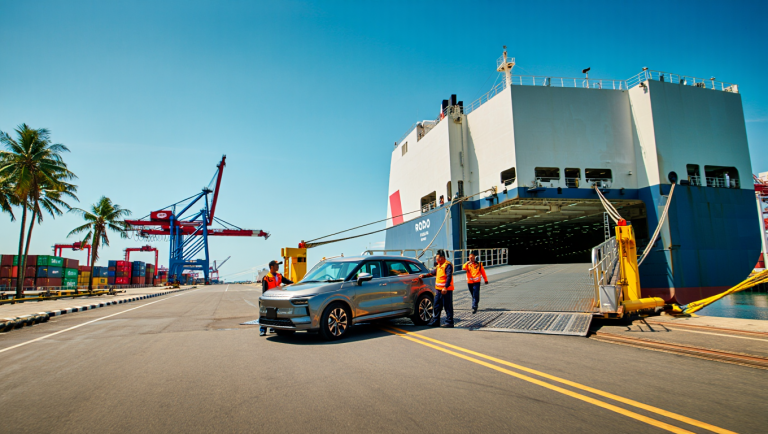
Roll onto the ship ready to drive, lash, unload - ideal for cars, vans and commercial vehicles.
➡️ More about the RoRo shipping with ODS Orient
Container shipping
Recommended for classic cars, sensitive vehicles or if additional cargo space is required.
➡️ RoRo vs. container - a comparison of methods at ODS Orient
3. documents & import procedure
Required documents:
| Document | Description of the |
|---|---|
| Proof of ownership | Purchase contract or registration certificate part II |
| Export declaration | Electronic declaration in the ATLAS customs system |
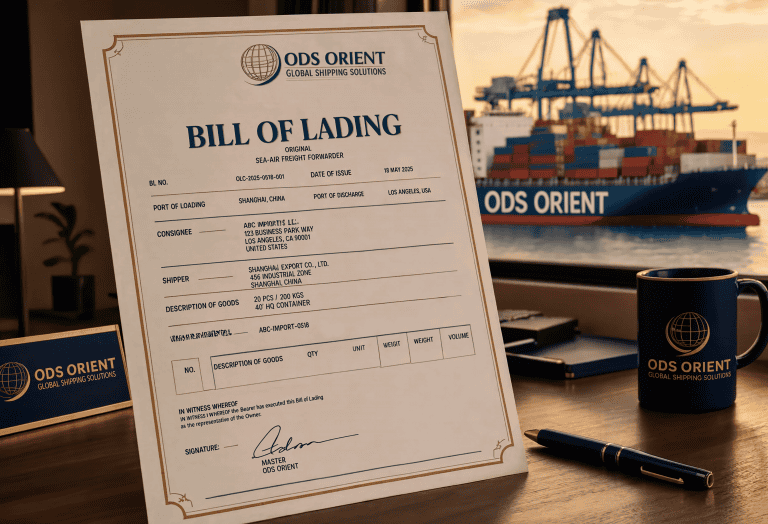
| Bill of Lading | Shipping document issued by the shipowner |
| Transport Canada Declaration | Proof of CMVSS conformity |
| EPA & DOT forms, if applicable | Only necessary for transit via the USA |
📄 Import instructions - Transport Canada
4. technical specifications & retrofitting
Canadian safety and environmental standards sometimes differ from European standards. Pay particular attention to:
- Speedometer in km/h
- Daytime running light
- Child seat anchorage (LATCH)
- On-board voltage and charging connections for electric vehicles
ODS Orient supports you with testing and retrofitting.
5. import duties & taxes
Possible cost items:
- Customs duties (vehicle-specific)
- Federal tax (GST/HST)
- Provincial import taxes
💡 Note: The actual costs vary depending on the province, vehicle type and import purpose. You can get a directed offer via ODS Orient.
6. shipping procedure
Typical procedure:
| Step | Description of the |
|---|---|
| Enquiry | Initial consultation & route selection |
| Documents | Prepare & check documents |
| Handover | Transporting the vehicle to the harbour |
| Shipping | RoRo or container |
| Import | Collection, customs & technical acceptance in Canada |
➡️ Current timetables & ports of departure - ODS Orient
FAQ - Frequently asked questions
How long does the shipment take?
Approx. 10-20 days, depending on the port of destination (e.g. Halifax, Vancouver, Montreal).
Can I leave personal belongings in the car?
Not usually permitted for RoRo. Containers offer - after consultation - more flexibility.
Do I need a freight forwarder in Canada?
Highly recommended - makes customs clearance and vehicle acceptance much easier.
Conclusion
With good planning, your vehicle can be shipped to Canada stress-free. Make sure you have the correct vehicle types, complete documents and technical adaptations. With ODS Orient you have an experienced partner from enquiry to safe arrival.
📩 Questions? Please contact us: odsorient.com/contact
Disclaimer
All information has been carefully researched but is subject to change at any time. ODS Orient assumes no liability for completeness or timeliness.