Why shipping to Malaysia requires careful preparation
Malaysia is an important destination for vehicle, machinery and project cargo, with efficient ports such as Port Klang, Tanjung Pelepas (PTP), Penang and Johor. At the same time, clear customs and licensing processes apply. For many goods, an import declaration must be submitted to the Royal Malaysian Customs Department (RMCD). For certain goods, especially vehicles, an Approved Permit (AP) from MITI is also required. Clarifying these points in advance reduces delays and additional costs.
Main routes & ports: How to plan ETD/ETA 2025 realistically
The sea routes from Europe typically run via the Mediterranean Sea, the Suez Canal and the Indian Ocean to Malaysia. The most important ports are:
- Port Klang (KUL/PKA): Main gateway on the west coast for container and RoRo traffic
- Tanjung Pelepas (PTP)High-tech hub near Johor, frequent transhipment services
- Penang/Butterworth: Relevant for electronics and general cargo shipments
- Johor (Pasir Gudang/Johor Port)For industrial projects and bulk cargo
Procedure:
- Define target region and flexible window (± 1 week)
- Check live schedules: Schedules
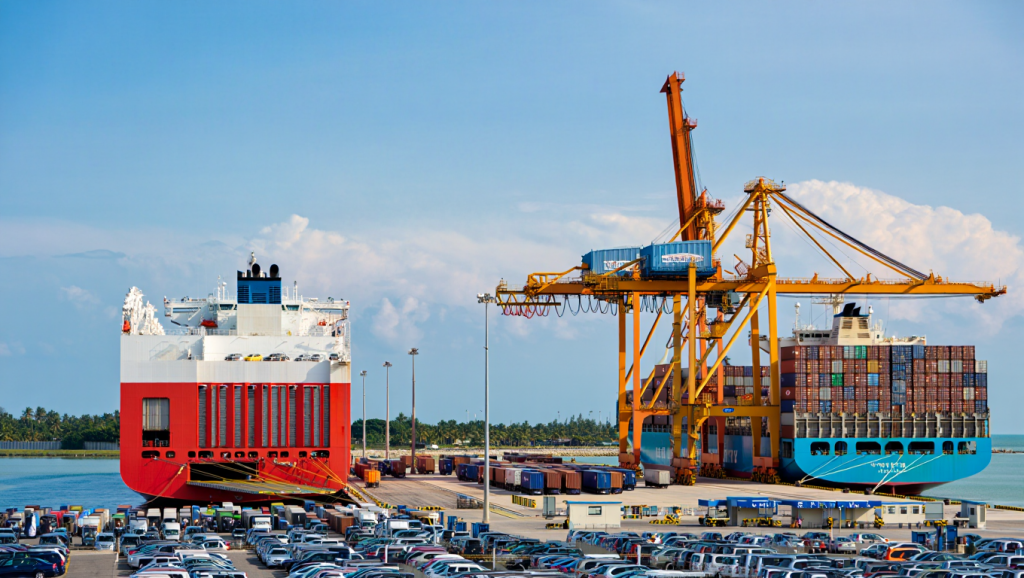
- Evaluate mode of transport: RoRo or container, depending on vehicle type and requirements
Comparison of transport modes: RoRo vs. containers
| Criterion | RoRo | Container (FCL/LCL) |
|---|---|---|
| suitability | Roadworthy vehicles, machinery | General cargo, spare parts, dismantled vehicles |
| packaging costs | low (roadworthy) | higher (stowage, lashing, protective measures) |
| Handling | gentle, direct loading | more complex, multiple envelopes |
| Cost logic | Dimensions, weight, deck space | Equipment + Packaging + Terminal Costs |
| risks | Seas, port handling | more stops |
| Flexibility | suitable for standard vehicles | suitable for mixed loads |
The digital booking process – step by step
- Enquiry & Routing: Destination port, ETD/ETA, dimensions, VIN/serial number, additional services
- Offer & Slot: Booking number, cut-offs, terminal information
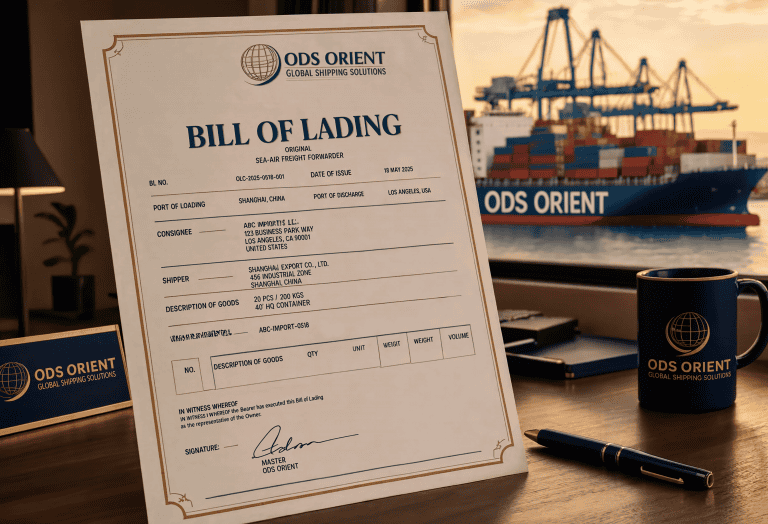
- Documents & ExportInvoice, packing list, MRN, B/L data
- Prepare shipment:
- RoRo: empty, cleaned, < ¼ tank capacity
- Containers: professionally packed, lashing, moisture protection
- Gate-In & Loading: Status report, observe document deadlines
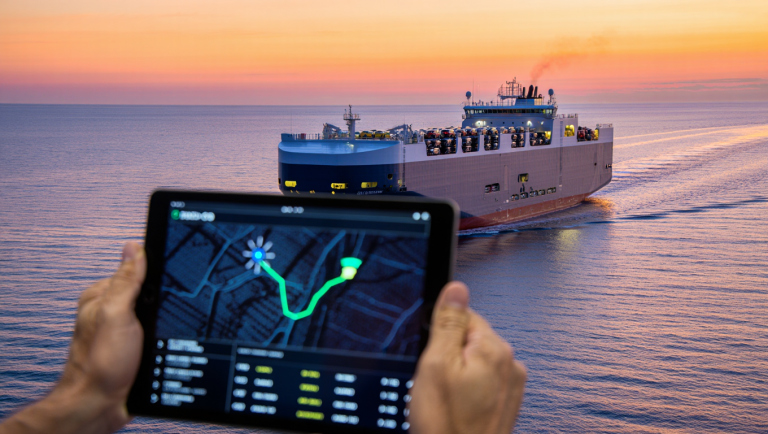
- Tracking & Arrival: B/L or VIN, customs preparation, exemption
More about the preparation: What do I need to bear in mind for a RoRo shipment?
Customs & Permits: What Malaysia requires
Import declaration (RMCD)
This is done using the K1 form and is usually handled by the customs agent. Official information: RMCD
Approved Permit (AP)
Mandatory for certain vehicles and goods. MITI is responsible, among others. Check early on: MITI – AP
Other authorities:
- MAQISInspections of agricultural products or machinery with soil adhering to them
- Customs tariffs & duties: depending on HS code, origin and agreement
Time slots & cut-offs – what you should plan for
| process step | Typical time window | Notes |
|---|---|---|
| document cut-off | 2–5 days before ETD | Depending on the carrier |
| Gate-In | 2–3 days before ETD | Observe slot times |
| B/L creation | After departure („sailed“) | Schedule change window |
| Avis destination port | Before or upon arrival | Use for exemption/customs |
| collection | ETA + X days | Avoid demurrage charges |
Common stumbling blocks – and how to avoid them
- Forgot AP → Be sure to check before booking
- Incomplete documentation → exact dimensions, VIN, packing list
- RoRo requirements ignored → No „blank space“, too much fuel, missing photos
- Incorrect transport mode → preferred container for accessories
- Outdated timetable information → Use live schedules: Schedules
Checklist: Your quick start guide to shipping to Malaysia
Before booking
✅ Record load & dimensions accurately
✅ Define destination port & alternatives
✅ Check live schedules: Schedules
✅ Check AP requirement: MITI
✅ Clarify insurance
✅ RoRo: visual inspection, fuel level, photo documentation
✅ Container: Stowage & lashing plan
During the booking process
✅ Documentation: invoice, packing list, MRN, B/L
✅ Set cut-offs and slots
✅ Plan follow-up
After departure
✅ Tracking by B/L or VIN
✅ Provide import documents
✅ Coordinate exemption & collection
What information speeds up the review process?
| Category | Mandatory information | Additional details |
|---|---|---|
| load | VIN, dimensions, weight, drive | Photo documentation, modifications, list of accessories |
| Routing | Port of destination, ETD, flexible window | Alternatives, terminals |
| Documents | Invoice, packing list, B/L, MRN | Origin, HS code, recipient information |
| permits | AP (if necessary) | MITI reference, exceptions |
| Insurance | proof of cover | GA coverage, excess |
Further resources
- Timetables – ODS Orient
- What do I need to bear in mind for a RoRo shipment?
- Customs clearance for RoRo shipments
- RMCD (Malaysian customs)
- MITI – Approved Permit
FAQ: Frequently asked questions about shipping to Malaysia
How long does shipping to Malaysia take?
Several weeks, depending on the route. Seasonal effects, detours and port conditions influence the ETA.
Do I need an Approved Permit (AP) for vehicles?
Often yes – depending on the type and use. MITI is responsible for this: miti.gov.my
RoRo or container - which is better?
Roadworthy vehicles by RoRo, sensitive or dismantled cargo better in containers.
Which documents are mandatory?
Usually invoice, packing list, B/L, AP and K1 customs data if applicable.
How much does shipping to Malaysia cost?
Costs are individual. A personal quote is required for reliable figures.
How can I avoid delays?
Check AP early, keep documents complete, adhere to cut-offs, check fuel level, use live timetables.
Conclusion: Achieving your goal with structure
Shipping to Malaysia can be planned if the data, permits and documents are correct. Those who use live schedules, meet deadlines and exercise due care can keep timelines stable – whether by RoRo or container. For realistic costs, we recommend a personal quote.
Disclaimer: All information in this article has been carefully researched but is subject to change at any time. ODS Orient accepts no liability for the topicality, accuracy and completeness of the information provided.